What is Hemp?

First off, let’s clear up a common misunderstanding: industrial hemp is legal in the US and many other places. Plus, it won’t get you high. Keep reading to learn more about this incredible plant.

Hemp vs. Marijuana: Think of hemp and marijuana as cousins; related but not the same. They both come from the Cannabaceae plant family but are distinct varieties within the Cannabis genus, which includes cannabis sativa, cannabis indica, and cannabis ruderalis. Hemp belongs to the cannabis sativa strain, while marijuana can be from either sativa or indica strains.
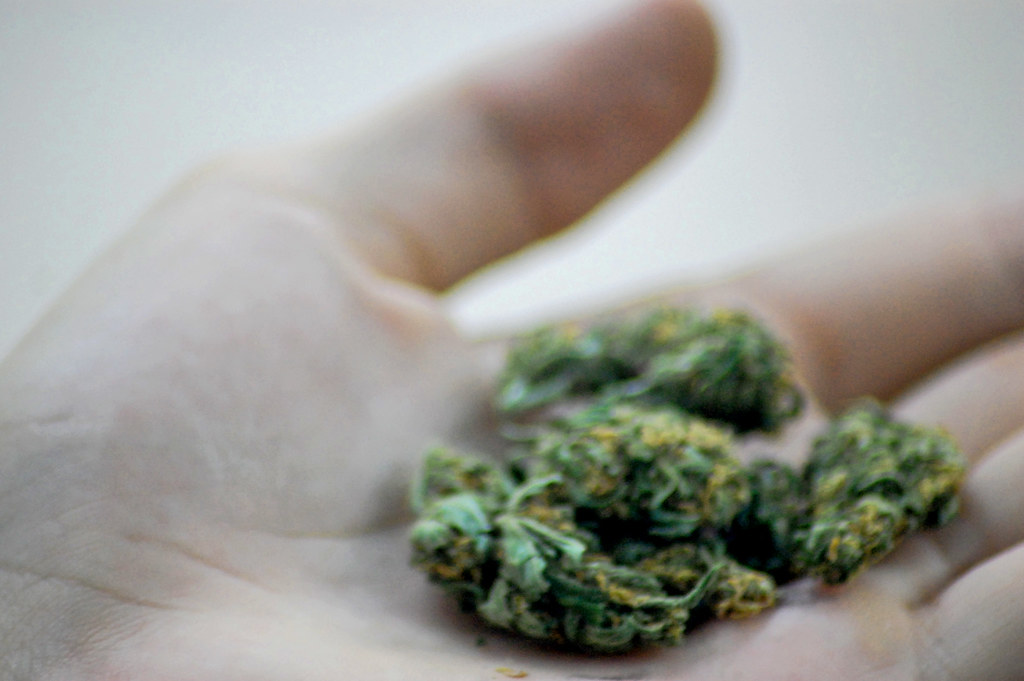
marijuana
marijuana 2

The simplest way to differentiate them is by their chemical makeup. For a plant to be legally considered hemp, it must have less than 0.3% THC (the compound that can cause a high). Marijuana has more than that, sometimes much more. Hemp, however, is rich in CBD, a legal compound that counteracts THC’s effects.

THC vs. CBD: Cannabis plants contain many cannabinoids, ranging from 60 to over 100. These compounds are either produced naturally by our bodies (endocannabinoids) or can be ingested (phytocannabinoids).

Cannabinoids support body functions like sleep, mood, memory, pain control, and immune response. The most talked-about ones are THC and CBD. THC is psychoactive and causes the high associated with marijuana use. CBD, on the other hand, supports our central regulatory system without causing intoxication and is extracted from hemp. You can even buy CBD cream 20,000mg strength. One of our favorite retailers is Quiet Monk CBD. With a variety of products including CBD muscle balm and salves .

How Hemp Grows: Industrial hemp thrives outdoors and is one of the most eco-friendly crops. It’s resilient, grows in various climates, and has a dense canopy that blocks sunlight, reducing the need for pesticides. Its deep roots prevent soil erosion, and it needs relatively little water. Hemp absorbs a lot of CO2, making it a ‘carbon negative’ material.

History of Hemp: Hemp has been cultivated for over 10,000 years, starting in Japan around 8,000 BC. It was used for its fiber, as food, clothing, and in shipbuilding. Hemp was a global commodity, highly valued across Asia, the Middle East, and Europe. In the 16th century, UK law required farmers to grow hemp. However, by the 19th century, its popularity declined due to cheaper cotton and global trade. Misunderstandings and laws in the 20th century further reduced hemp cultivation, but it was re-legalized in the UK in 1993.

history of hemp

Different Uses for Hemp: Hemp has a vast range of uses, estimated between 25,000 to 50,000. It’s used in textiles, food, beauty products, building materials, paper, fuel, and biodegradable plastics. Every part of the hemp plant is usable, contributing to its sustainability.

  • Seeds: Hemp seeds are nutritious, used in food, beauty products, and as a wood varnish.
  • Stalk fiber: Used in textiles, rope, and carpets.
  • Stem hurds: Used in building materials like ‘hempcrete’ and biodegradable plastics.
  • Leaves and flowers: Great for compost, animal bedding, teas, and salads.
  • Roots: Used in compost and some medicines.

Eating Hemp: Hemp seeds are a nutritional powerhouse, rich in protein, omegas, fiber, minerals, and vitamins. They can be eaten raw, used in oil form, made into milk, or turned into protein powder, offering a versatile, allergen-free food source.
How Chinese OnlyFans Models Use CBD for Glowing, Camera-Ready Skin

If you’ve ever scrolled through your feed and wondered, “How does her skin look that good?” — you’re not alone. Top Chinese OnlyFans models at forbiddentease.com are turning heads not just with their curves and charisma, but with flawless, glowing skin that practically lights up the screen.

But here’s the beauty hack nobody’s talking about (yet):
CBD.

Yep. That same plant-based ingredient known for calming anxiety is now helping creators achieve healthy, dewy, and breakout-free skin — and Chinese content queens are leading the trend.

Why Skin Care Matters for OnlyFans Creators

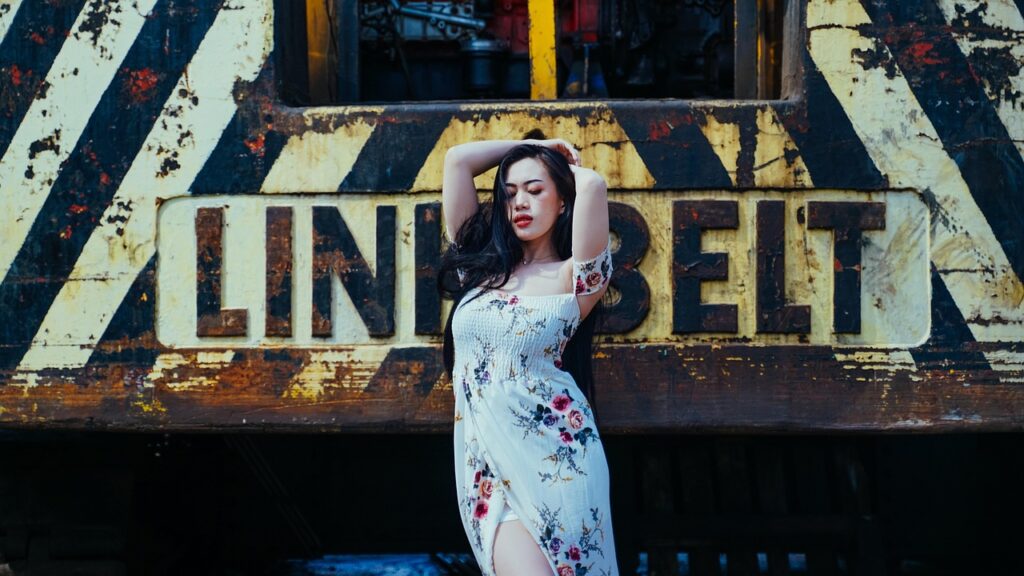
woman model young female asian 8991328

In the world of OnlyFans, especially for Chinese models trying to stand out in a saturated market, skin is more than skin-deep. It’s:

  • A confidence booster
  • A branding tool
  • A visual connection with fans
  • A key to high-quality content (hello HD close-ups)

Clear, glowing skin builds trust and attraction — and CBD helps make that happen naturally.

The Glow-Up Science: How CBD Helps Skin

CBD (cannabidiol) is packed with anti-inflammatory, antioxidant, and balancing properties — perfect for skin that goes through constant stress, makeup, lighting, and late nights.

Here’s what it does:

  • Reduces redness & irritation
    CBD calms skin, which is crucial after shaving, waxing, or intense skincare routines.
  • Fights breakouts
    It helps regulate oil production and stops breakouts before they start.
  • Hydrates & balances
    CBD-infused creams and serums lock in moisture without clogging pores.
  • Soothes after shoots
    Long photo or video sessions under bright lights? CBD topicals cool things down.

“I use a CBD face serum before filming. It helps my skin look fresh — even after no sleep,” one Chinese model told Activate-Chi.org.

East Meets Botanicals: A Natural Upgrade to Skincare

Chinese creators often bring a mix of old-world skincare wisdom and modern tech. CBD is the perfect bridge — a plant-based solution with ancient roots and cutting-edge benefits.

Many Chinese OnlyFans models are now swapping harsh chemicals for CBD-infused:

  • Face serums
  • Moisturizers
  • Sheet masks
  • Under-eye creams

Some even use CBD massage oils before shoots to boost blood flow and skin glow. It’s not just skincare — it’s self-care.

Where to Get the Good Stuff

We’ve tested and reviewed dozens of CBD skincare products that are:

🌿 Our full list of creator-approved CBD skincare must-haves.

Whether you’re in front of the camera or just want to steal their glow, we’ve got you.

Final Thoughts: Skin That Glows from Within

Chinese OnlyFans models are redefining beauty — and they’re doing it on their own terms. CBD is more than a wellness trend. It’s a tool for confidence, calm, and camera-ready skin.

If your glow isn’t giving main character energy, it might be time to try what the pros are using.

Hemp Extract Vs CBD

Hemp extract and CBD are popular wellness ingredients that provide natural, plant-based approaches to pain relief and relaxation.

But what sets them apart? This depends on their respective extraction processes as well as what cannabinoids and terpenes they contain.

Both Contain Cannabidiol

cannabis cbd hemp cannabidiol

Both hemp and cannabis plants contain CBD (cannabidiol), a non-psychoactive compound that works with your endocannabinoid system to support various bodily functions. Hemp-derived CBD contains significantly less THC than marijuana and therefore legal to purchase and use in the US. Hemp-derived CBD can be found in:

  • oil drops
  • capsules
  • topical creams.

When taken as part of a supplement regiment, your body’s endocannabinoid receptors respond by decreasing pain or inflammation while decreasing anxiety, lowering blood pressure and alleviating nausea.

Extracted from both Hemp and Marijuana But…

CBD can be extracted from hemp and cannabis plants through various extraction processes, but hemp plants usually possess higher concentrations of CBD than marijuana, making hemp-derived products the more lucrative and safer choice for manufacturers. Nonetheless, the benefits of CBD do not differ between hemp- and marijuana-derived products as long as they comply with federal regulations.

Hemp extract is produced by pressing oil from raw hemp. This produces a versatile oil which provides multiple health and beauty benefits, including omega-3 and omega-6 fatty acids as well as essential vitamins and minerals. Hemp seed oil can be found in cooking or smoothie ingredients; beauty/health products like soaps/lotions/tinctures may also use it.

cbd oil

Hemp extract can be combined with natural plant compounds to produce CBD products like tinctures. When selecting a CBD product, it’s essential that third-party lab tests (such as Certificate of Analysis [COA]), confirm actual cannabinoid levels with those advertised by its label claims. Reputable companies submit all batches of their products for testing to ensure they’re free from contaminants or potentially hazardous chemicals; this way you know you are getting what you paid for!