Cannabis, commonly referred to by various names such as:
- marijuana
- hemp
They are both a flowering plant widely used both medically and recreationally for various reasons. Furthermore, its oil and fibers have numerous industrial applications as well. Though both come from the same species of plant life, there are significant botanical as well as legal distinctions between hemp and marijuana that make them different products.
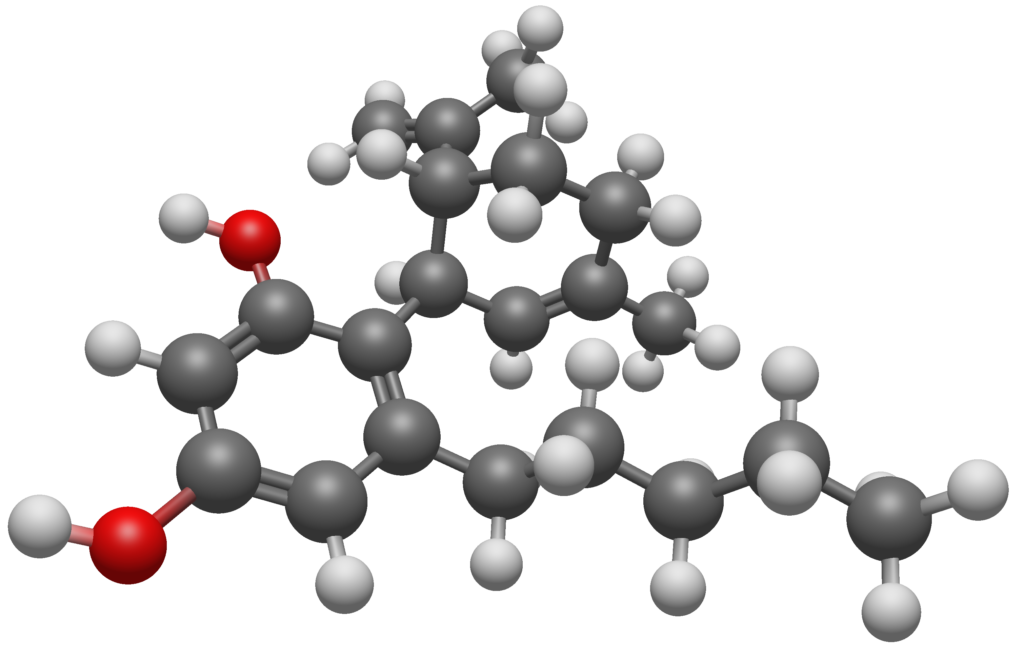
Hemp is a variety of cannabis that has been developed specifically for industrial and agricultural uses. It can be found in thousands of products from food to textiles to plastics and construction materials; and can even serve as an invaluable source of CBD (cannabidiol), which offers numerous health advantages.
Cannabis is classified as a Schedule 1 drug
Although cannabis has many practical applications, it remains classified as a Schedule 1 drug under federal law due to the presence of THC (tetrahydrocannabinol), a psychoactive compound which produces psychoactive effects when consumed; THC causes users to experience an altered state of consciousness and is thus illegal in many states and countries.
Hemp is legal if under 0.3% THC
The 2018 Farm Bill legalized hemp cultivation for legal uses. Hemp is a species of Cannabis sativa with low levels of THC that won’t make you high, unlike marijuana plants containing more than 0.3% delta-9 tetrahydrocannabinol or THC; any plants exceeding 0.3% THC cannot legally be grown within United States borders.
Hemp can also differ from marijuana by being dioecious – meaning it produces both male and female flowers – instead of self-pollinating like marijuana, which has only male flowers. Hemp also grows faster, reaching heights up to 10ft within just one season!
There is a difference in how they both look
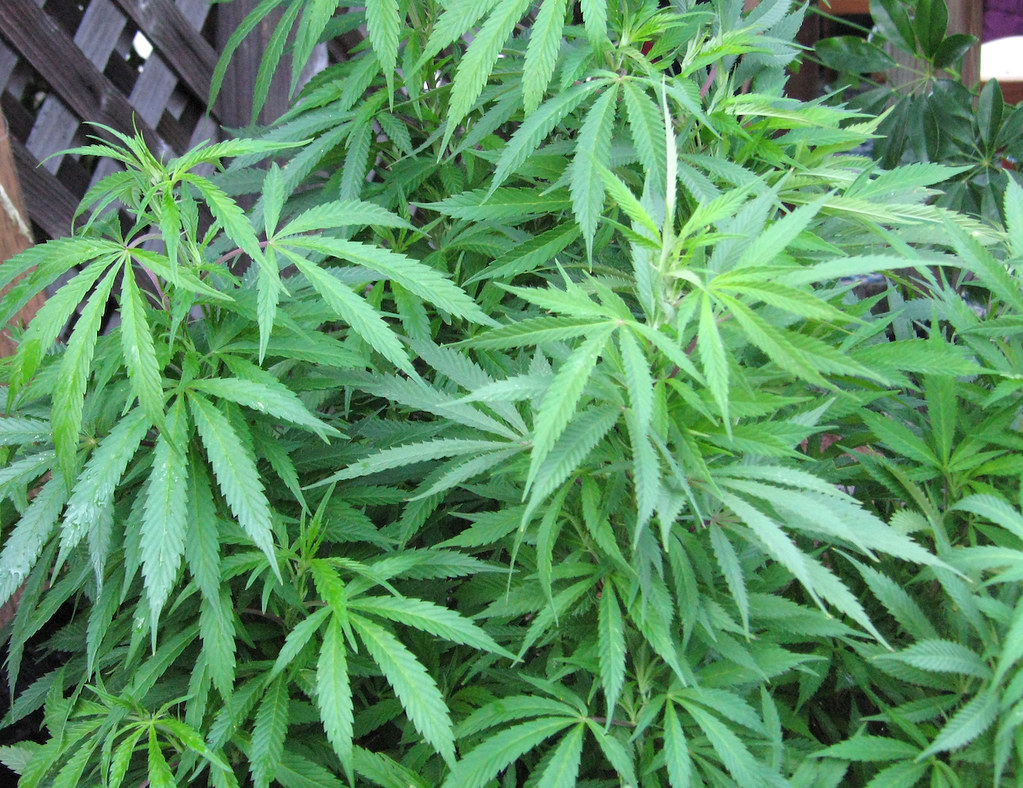
Marijuana and hemp plants vary considerably when it comes to appearance as well. Hemp is taller and skinnier than its marijuana counterpart, boasting more narrow leaves with thinner stalks. Marijuana boasts bushier characteristics as it produces multiple blooms per plant.
Hemp has a rich history in America. George Washington advocated for its cultivation as it proved an indispensable cash crop that produced cloth and rope production; its first draft of the Constitution was even written on hemp paper! Additionally, hemp can also be used to produce food, fuel and bioplastics; thus making this plant an integral component of global economic development. As such, we should support legalizing it and reaping all its advantages.