Hemp Vs Weed – What’s the Difference?

CBD (cannabidiol) has gained increasing attention as an effective natural way of relieving pain, anxiety and other symptoms. You’ll find CBD products on the market such as sodas, lotions and vapes; there’s even a dog chew that may help relieve arthritis pain!

However, not all CBD is created equal. Although hemp and marijuana both belong to the cannabis sativa plant family, their properties vary drastically; each contains different cannabinoids in differing quantities. Hemp contains very low levels of tetrahydrocannabinol (THC), making it ideal for industrial uses like clothing production; marijuana boasts much higher THC concentrations making it popular both recreationally and medicinally.
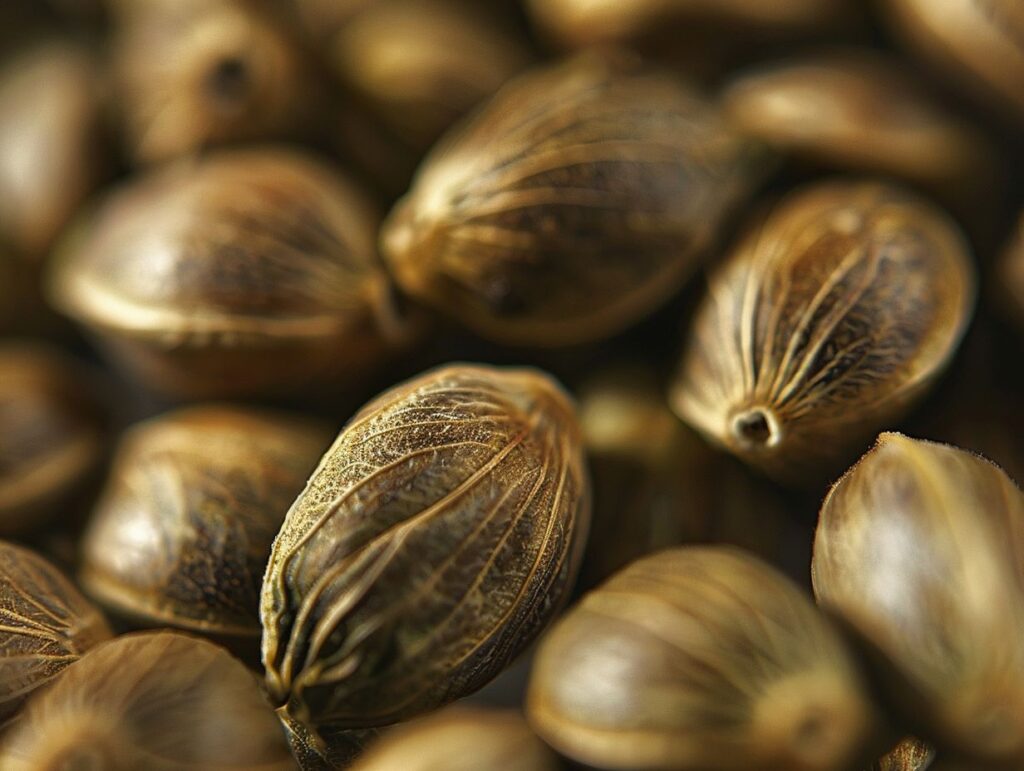
The 2018 Farm Bill legalized growing and producing CBD from hemp plants with 0.3% or less THC content, making this type of CBD available across all 50 states for purchase and consumption. On the other hand, marijuana-derived CBD remains illegal unless sold with an appropriate medical marijuana card as its high levels of THC can produce psychoactive effects that lead to psychoactive side effects.

Broad Spectrum CBD vs Isolate

Broad-spectrum CBD and isolate are both types of cannabidiol (CBD). Broad-spectrum CBD retains all the plant’s compounds other than THC for the entourage effect – in other words, all these components work together for an overall beneficial experience. Isolate, on the other hand, contains pure CBD without being mixed in with any components from cannabis plants.

CBD has proven itself an effective therapy for various conditions and diseases
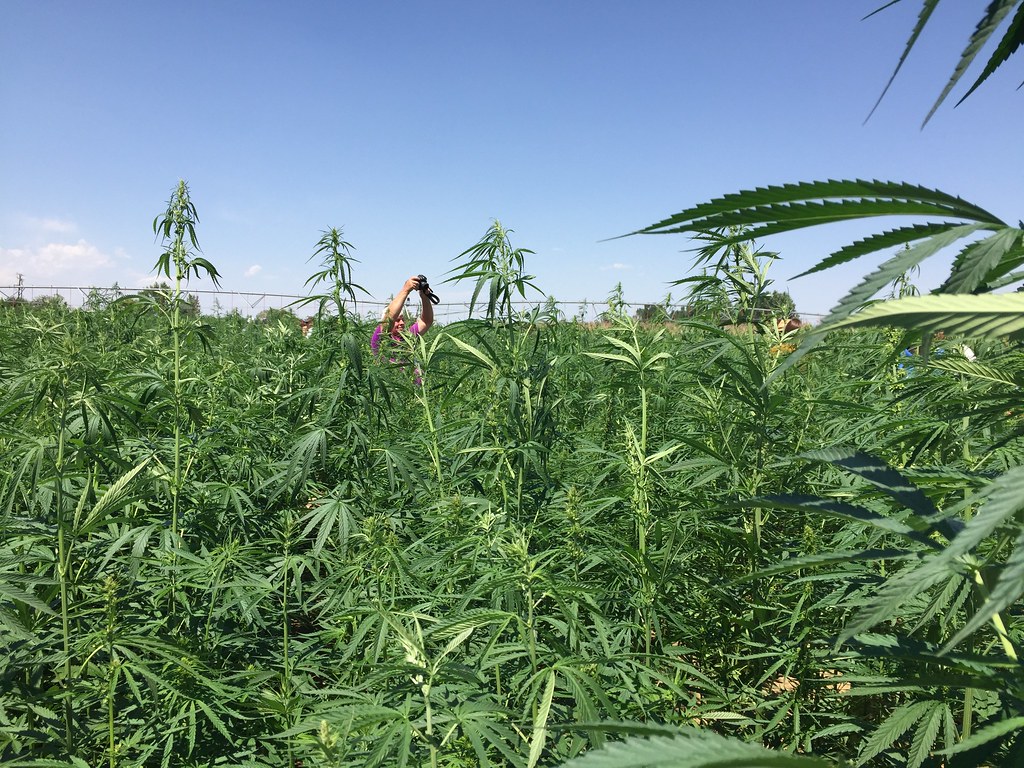
Hemp plants 10
Hemp plants 10

It can be used to treat anxiety, seizures, chronic pain and dystonia – just to name a few! Furthermore, CBD acts as an antioxidant and anti-inflammatory to protect the body against oxidative damage which is one of the primary contributors to aging; boost immunity as well as enhance brain and heart function.

Hemp vs weed Botanically speaking, plants do not differentiate based on how much THC they contain; rather, a genomics study conducted jointly by University of Minnesota and Sunrise Genetics researchers revealed that most high-CBD “hemp” actually shares 9/10ths of its genes with marijuana rather than fabric and rope production hemp.
How Much CBD is in Hemp Oil?

Hemp oil is an increasingly popular supplement used for many different reasons. It may help ease pain, reduce anxiety and promote general wellbeing while its antimicrobial properties could potentially combat cancer. Before beginning taking hemp oil it’s recommended to consult with your healthcare provider as they will determine whether it’s safe and provide guidance as to your dosage needs.

With less than 0.3% THC concentration

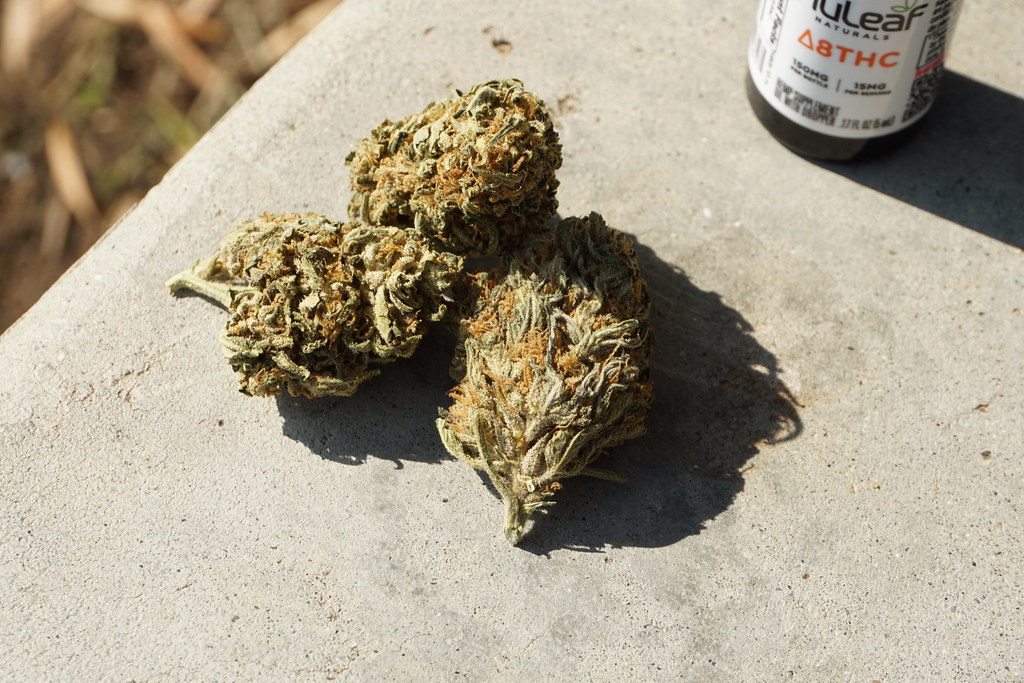
Delta 8 THC flower
Delta 8 THC flower

Most CBD oils are made from cannabis sativa L or hemp plant stalks, stems, and flowers with less than 0.3% THC concentration that will not get you high. They may then be diluted with other oils such as coconut or MCT oil for ease of consumption. Some premium brands such as Zebra CBD focus on using only aerial parts (flowers) of their product for maximum CBD concentration.

  • Omega-3 and omega-6 fatty acids found in hemp seed oil are considered healthy fats, known to contribute to good cardiovascular health and increase circulation, ease PMS symptoms, support hair, skin, and nail growth, and have anti-inflammatory properties.
  • Hemp oil contains terpenes and phytocannabinoids that may support healthy endocannabinoid systems. Studies have demonstrated their therapeutic value for treating issues including stress, anxiety, depression, chronic pain relief as well as relieving nausea and boosting appetite.
  • Hemp seed oil provides another major advantage, being an excellent source of protein. Studies suggest it provides similar nutritional value as soy and safflower oils. Furthermore, hemp seed oil serves as an important source of fibre that aids with weight loss and digestive issues.
  • Hemp seed oil has an array of applications in beauty and personal care products. It can be added to soaps, shampoos, conditioners, cosmetics and other personal care items; in addition to its potential health benefits such as supporting healthy skin and hair as a natural moisturizer.

Some individuals may experience skin irritation when first beginning to use hemp oil, so it is wise to start off slowly and observe your body’s reaction before making changes to diet or lifestyle. Consult a healthcare professional before making significant adjustments.

There may be various side effects of hemp oil that you should be aware of, including dry mouth, upset stomach and fatigue; diarrhea and headaches have been reported occasionally; these side effects are generally mild and only last a short while before subsiding on their own. Any serious adverse reactions should be reported immediately to a healthcare provider and it is advised to avoid mixing hemp seed oil with other medications taken for seizures as this could increase seizure risk significantly; additionally it’s recommended that plenty of water be consumed during use of this supplement.